TeKnowledge and ASYV Partner to Build Rwanda’s AI Leadership and Future Skills
TeKnowledge and Agahozo-Shalom Youth Village (ASYV) are joining forces to strengthen Rwanda’s AI leadership and future skills, connecting the leaders driving transformation today with the young people who will shape the country’s digital future. The partnership brings together executive AI learning, practical capability building and future talent development, creating opportunities to build the skills, confidence […]
From AI Ambition to AI Execution: What We Heard from Leaders in Kigali
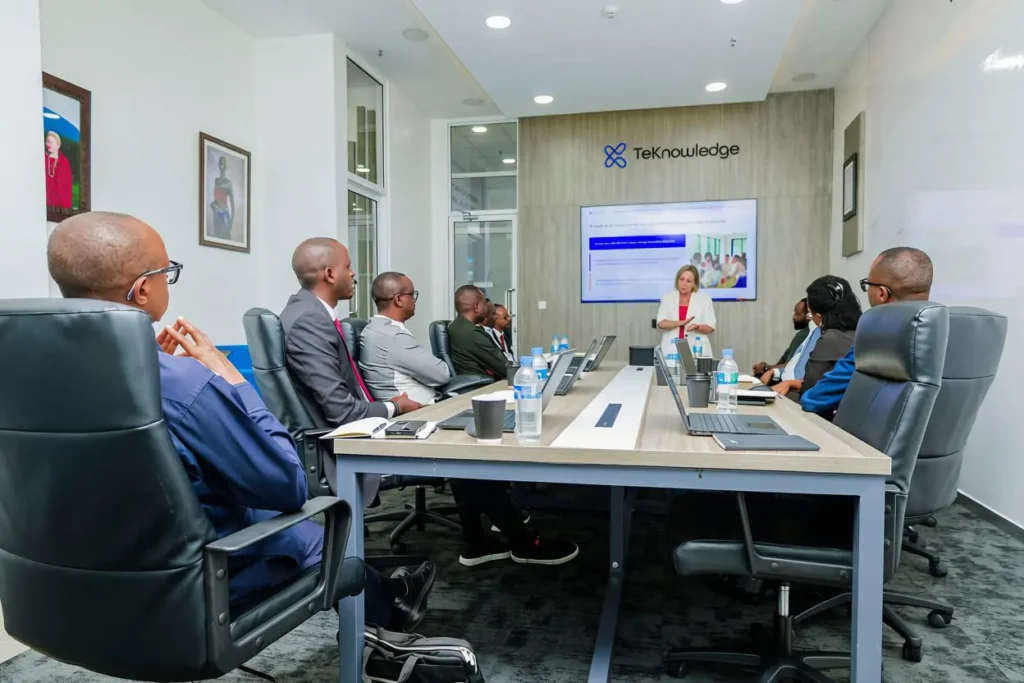
Last week in Kigali, TeKnowledge brought together senior leaders to explore one of the most important leadership questions facing organisations today: how do we move from AI ambition to AI execution? Across four hours of discussion, leaders shared perspectives on AI strategy, business value, security and risk, workforce readiness, and the foundations required to build […]
TeKnowledge and Equinix Partner to Advance Secure Cloud and AI-Ready Digital Infrastructure Across West Africa
TeKnowledge, a global technology services company, and Equinix (Nasdaq: EQIX), the world’s digital infrastructure company®, today announced a partnership to support enterprises and public sector organizations across West Africa to accelerate secure hybrid and multi-cloud adoption and enable AI-ready digital infrastructure across West Africa. As demand for cloud services, AI adoption, digital payments, and data-driven […]
TeKnowledge Launches Services in Rwanda to Advance AI Leadership, Digital Skills, and Cyber Resilience
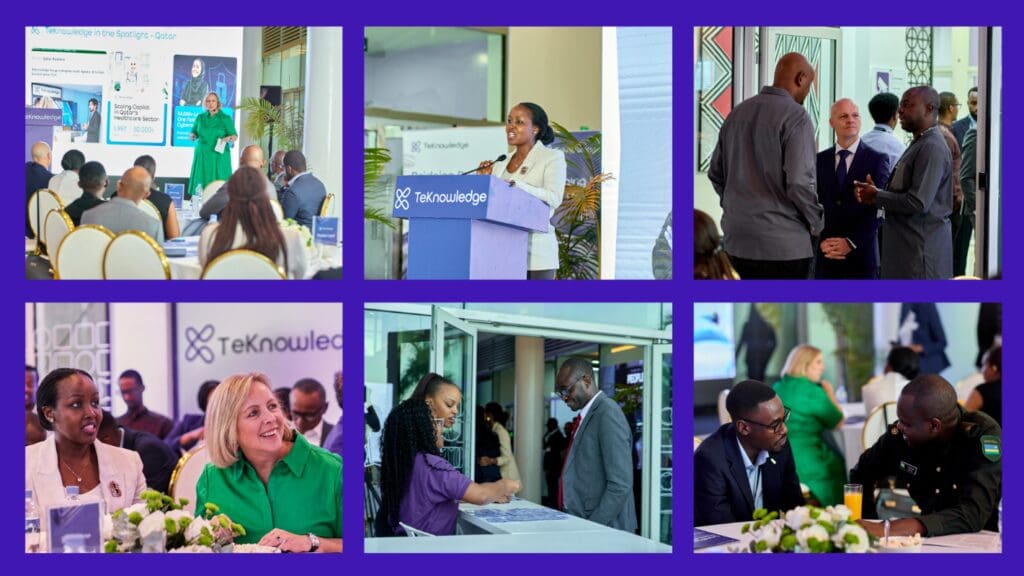
Supporting Rwanda’s transition to a knowledge-based, AI-ready economy under Vision 2050 TeKnowledge has announced the launch of its services in Rwanda, introducing new initiatives focused on AI leadership, digital skilling, and cybersecurity resilience. Announced during a private event in Kigali, the launch supports Rwanda’s Vision 2050 ambitions and reflects a shared commitment to building the capabilities needed for a knowledge-based, […]
TeKnowledge Recognized with Microsoft EPIC Award for Collaboration
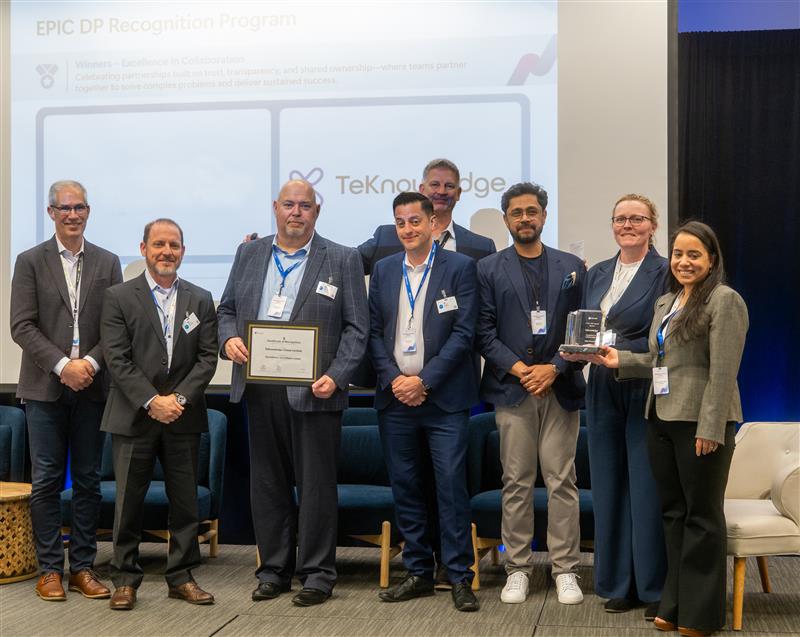
TeKnowledge has been recognized with the Microsoft EPIC Award for Collaboration at this year’s Delivery Partner Summit – an acknowledgment of the ongoing collaboration and shared commitment to delivering meaningful outcomes for customers. This recognition reflects the way teams across TeKnowledge and Microsoft work together every day – operating in close alignment, addressing challenges collectively, […]
Stop Chasing Skills. Build a Capability Engine Instead.

We are living in an era where the technology your organization adopts next quarter likely has no established best practices yet. The velocity of change is currently outpacing human capability, and according to the World Economic Forum, nearly 40% of core worker skills will change by 2030. Traditional, isolated training programs can no longer keep […]
CX, Agentic AI, Inclusive Skills Development and Women in Leadership: What Industry Leaders Discussed at TeKnowledge’s Executive Events
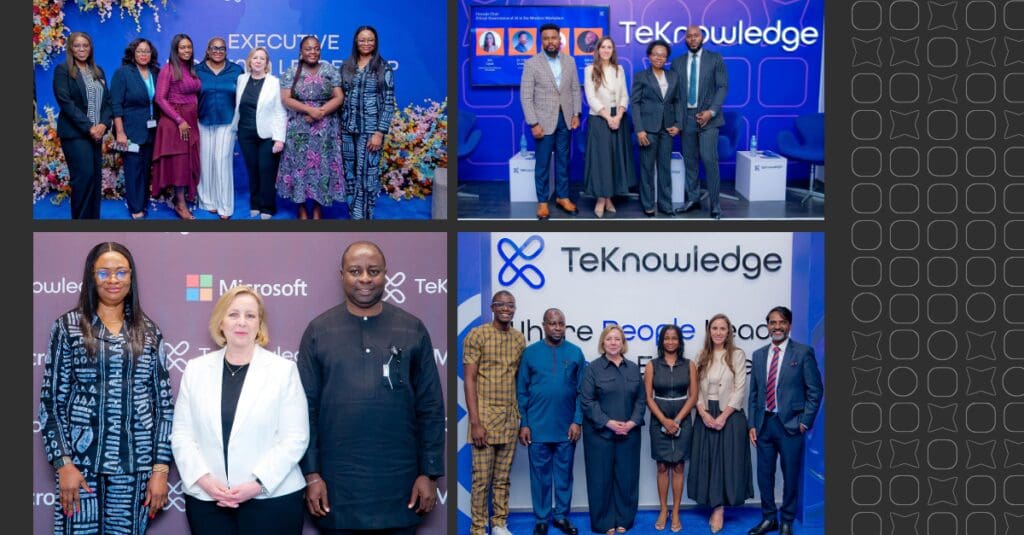
Nigeria’s technology and business leaders gathered this week for a series of high-level engagements hosted by Teknowledge President/CEO, Aileen Allkins and Territory Director Africa, Olugbolahan Olusanya; bringing together top executives, innovators, and policymakers to explore the intersection of artificial intelligence, customer experience, leadership transformation, and national skills development. Across three key moments – an Executive […]
TeKnowledge Expands Partnership with Microsoft to Advance National AI Skills Development in Nigeria
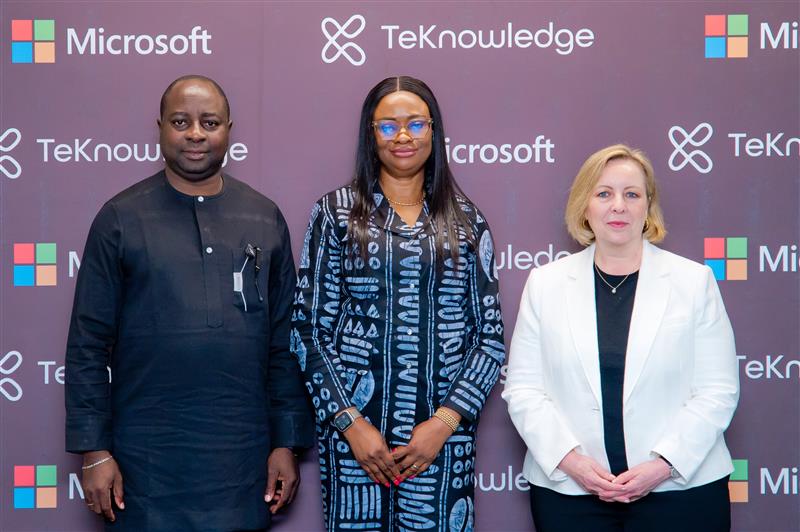
The programme aims to reach and impact more than 10,000 across diverse profiles Lagos, Nigeria — March 5, 2026 — TeKnowledge a global expert technology services company specializing in helping organizations become AI First, has today announced an expanded role as an implementation and delivery partner for Phase 2 of Microsoft’s AI National Skilling Initiative […]
Launching TeKnowledge AI Agents Library

Buying Copilot license is the easiest part. Real value comes from deploying agents that deliver measurable business outcomes and that’s where many organizations get stuck. TeKnowledge AI Agents Library is built to bridge that gap. From “we have Copilot” to “we run on agents” Most enterprises now “have” Copilot or similar AI assistants, especially in […]
Advanced Data Services: From Data-Rich to AI-Ready
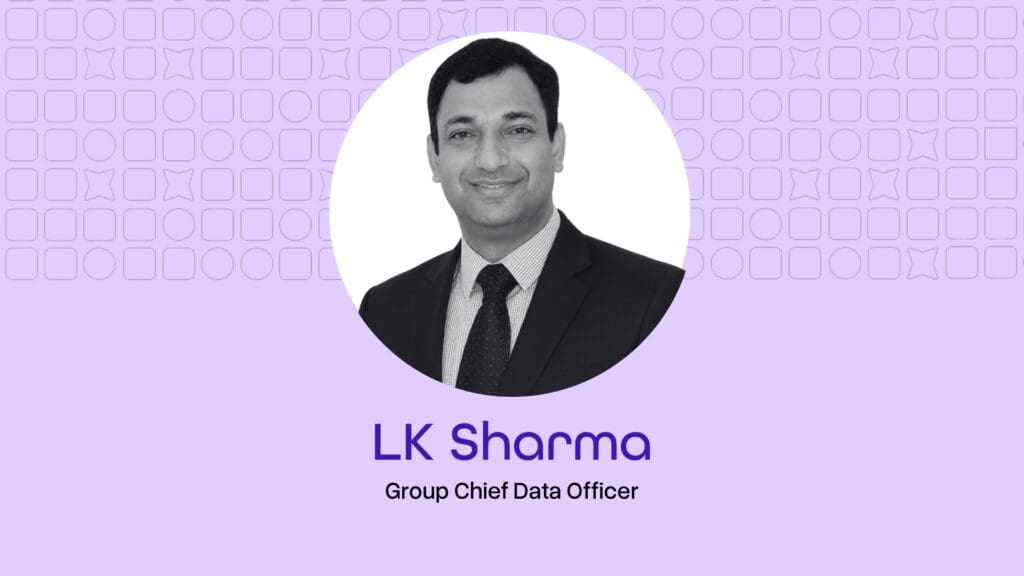
The conversation in boardrooms has shifted. Leaders are no longer asking “Should we invest in AI?” but rather “Why aren’t we seeing ROI from our AI investments?”. The answer lies not in the AI models themselves, but in the data that powers them. The AI Readiness Gap Over the past decade, enterprises have invested billions […]